Divination systems are structured methods for accessing intuition and pattern-recognition. These articles cover tarot, geomancy, astrology, and related systems: how they work and how to build a real practice around them.
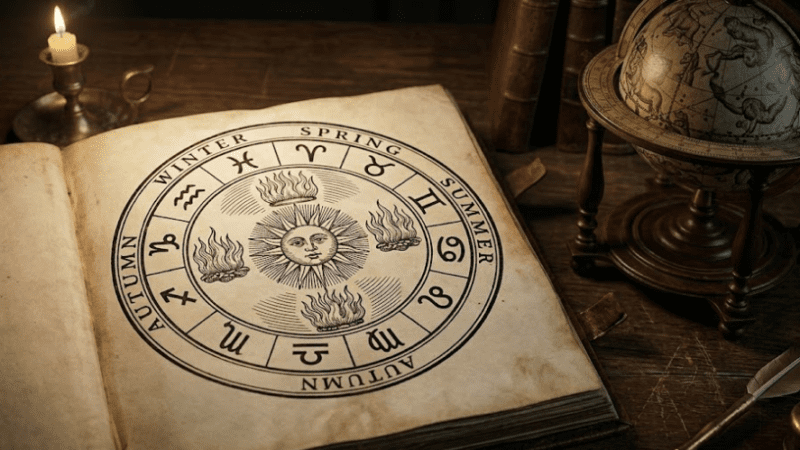
Divination
Divination is the practice of accessing information through structured methods that bypass ordinary analytical processing. That definition is deliberately straightforward, because divination is treated in the popular literature as more mysterious than it needs to be, and the mystification makes it harder to learn and harder to evaluate honestly. Tarot, geomancy, astrology, rune work, pendulum work, and other divinatory systems are structured methods with internal logic, historical documentation, and learnable skill sets. They are not magic tricks, but they are also not as opaque as they are often presented.
The historical depth of divinatory practice is something the popular literature rarely communicates accurately. Systems like the I Ching, geomancy, and astrology have been in continuous use for centuries or millennia, refined by practitioners who took them seriously enough to document their results and develop their methods. That historical continuity is worth understanding because it changes how you approach a system. A divinatory method that has been practiced and refined across hundreds of years carries a different kind of accumulated insight than one invented recently.
Developing a serious divination practice requires understanding the difference between memorizing meanings and developing genuine fluency with a system. It requires learning how to ask questions that the system can actually answer. It requires understanding what divination can and cannot reliably tell you. And it requires consistent practice over time rather than occasional consultation.
The articles in this category cover specific divinatory systems with enough detail to support real practice, including the historical background, the internal logic, common mistakes, and how to develop fluency rather than dependence on reference materials.